

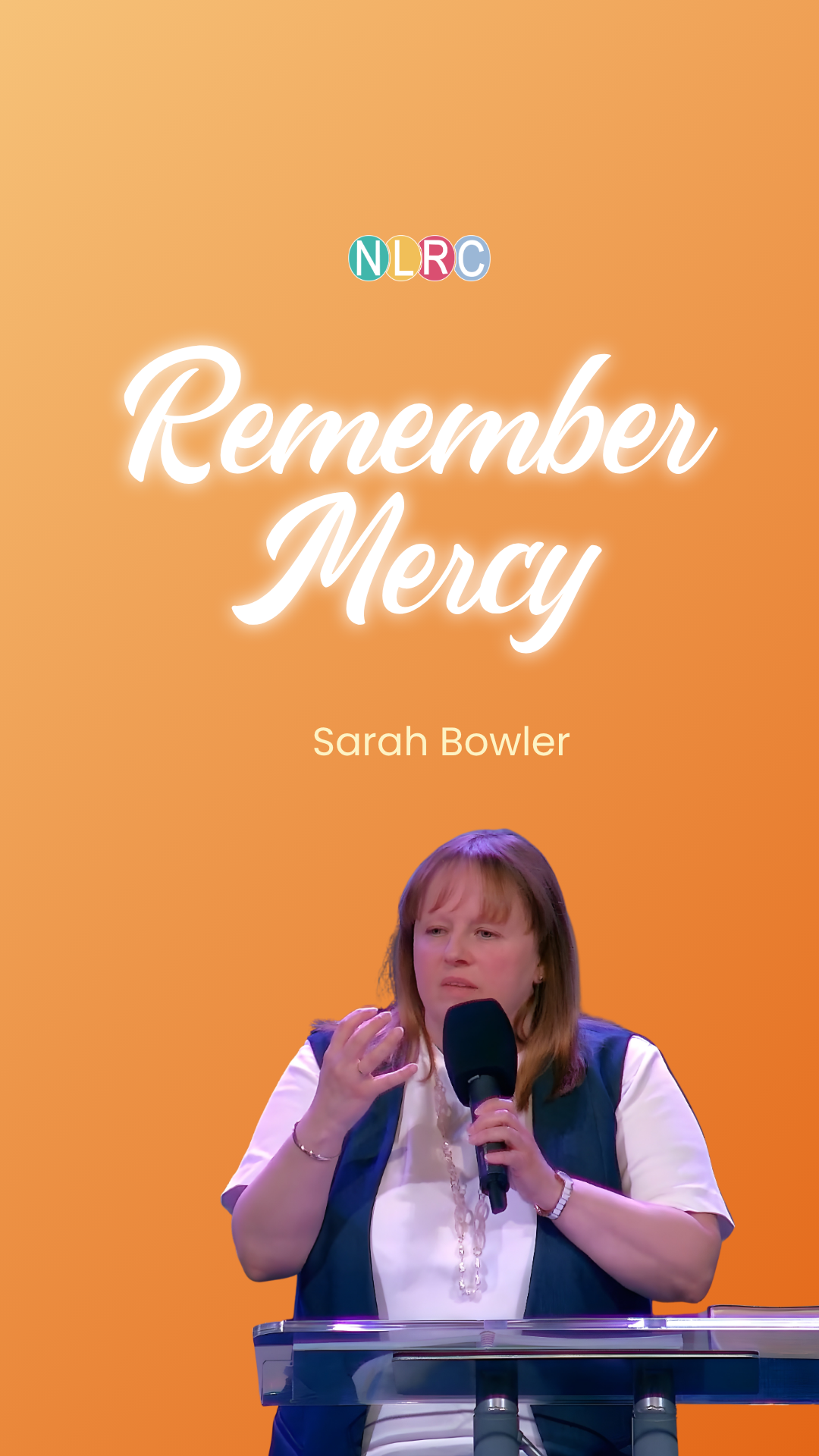
Remember Mercy: Finding Peace in Times of Wrath
In our daily lives, we often find ourselves stirred by emotions that seem to come from nowhere - a sudden anger, an unexplained restlessness, or a deep frustration that bubbles up from within. The prophet Habakkuk offers us profound wisdom for these moments: "In wrath, remember mercy."
What Does Wrath Really Mean?
When we think of wrath, we typically picture anger and rage - the visible, explosive emotions that everyone can see. But the biblical understanding of wrath goes much deeper. In Scripture, wrath encompasses not just anger, but also disquiet, restlessness, and fretfulness - those internal stirrings that we're often good at hiding until something finally provokes them to surface.
The Hidden Nature of Internal Unrest
Wrath can be described as an internal unrest that results in a strong display of emotion, provoked by external circumstances, and ultimately rooted in the fear of self being violated in some way. This definition helps us understand why we react so strongly when we feel our wants, desires, or very person are being threatened or violated.
Understanding True Mercy
Mercy is more than just a feeling - it's both having compassion and being compassionate. At its core, mercy means having the power to punish and choosing not to. But there's an active element to mercy that we must understand: we need to find and obtain mercy.
Finding Mercy When It's Not Our Natural Response
The words "find" and "obtain" suggest that if we don't already possess mercy in a situation, we need to go get it. When mercy isn't our instant reaction, we must actively seek it out. The only way to do this effectively is to bring Jesus right into the middle of our situation - into our thought life, our emotional life, and our circumstances.
Jesus: Our Source of Mercy
Jesus experienced every form of violation we could face - unjust punishment, rejection, mockery, torture, and crucifixion - yet He knew no sin. Through the cross, Jesus took all of this so we could receive mercy and healing. He is our high priest who understands our struggles and provides the mercy we need.
Running Everything Through the Cross
When we face situations that stir up disquiet and fretfulness within us, we need to run our thoughts and emotions through the cross of Jesus Christ. We don't always need to understand why we feel unsettled - we just need Jesus, who brings healing to every situation.
The Security That Mercy Brings
One of the most powerful aspects of mercy is that it doesn't need to get the upper hand in relationships or situations because it's secure in the love of Jesus. How often do we feel compelled to get the last word or prove our point? Mercy frees us from this need because we're completely secure in God's love.
Praying for Those Who Hurt Us
Jesus instructed us to "pray for those who spitefully use you and persecute you." This seems impossible in our natural strength, but when we're settled in Jesus' love, there's nothing left to provoke. We can see ourselves as fearfully and wonderfully made, lifting our eyes from our flaws and fixing them on Jesus.
The Character of the New Creation
In Colossians 3:12-17, we find a blueprint for living as new creations in Christ. This passage reveals several key elements:
Our Identity in Christ
We are God's elect - chosen, holy, and beloved. This identity forms the foundation for everything else. We're not trying to earn God's love; we're living from the security of already having it.
Character Traits to Put On
We're instructed to clothe ourselves daily with:
- Tender mercies
- Kindness
- Humility
- Meekness (having power but choosing restraint)
- Long-suffering (patience)
- Love
Actions We Must Take
The passage calls us to specific actions:
- Bearing with one another
- Forgiving complaints against each other
- Practicing thankfulness in all things
Letting God's Influence Transform Us
The key word in many of these instructions is "let" - let the peace of God rule in your hearts, let the word of Christ dwell in you richly. We must actively allow God's influence to work within us.
The Wisdom That Comes from Being Christ-Centered
When we let the word of Christ dwell in us richly, running everything through the cross and Jesus' example, we gain true wisdom. This isn't worldly wisdom that puffs up with knowledge, but divine wisdom that transforms the heart and produces lasting change.
Grace in Our Hearts
Having grace in our hearts means allowing God's divine influence to transform us from within. This graciousness of manner and act reflects in our speech, attitudes, and entire way of life. It's the difference between living in knowledge that puffs up and living in true wisdom that builds up.
The Connection Between Gratitude and Grace
When we're truly grateful to God for what He's done for us - His mercy, grace, and forgiveness - it becomes much easier to show that same grace to others. Thankfulness is a gateway that opens our hearts to both receive and give mercy.
Life Application
This week, practice the discipline of "remembering mercy" in moments of internal unrest. When you feel that familiar stirring of anger, frustration, or restlessness, pause and bring Jesus into the center of the situation. Instead of reacting from your emotions, clothe yourself with the character traits of Christ - tender mercy, kindness, and patience.
Ask yourself these questions:
- What "buttons" in my life need Jesus' healing touch so they can't be pushed by difficult circumstances?
- How can I actively seek mercy when it's not my natural response to a situation?
- In what relationships do I need to stop trying to get the upper hand and instead rest in the security of God's love?
- What would change in my daily interactions if I truly lived from the identity of being God's beloved, chosen, and holy child?
The goal isn't perfection, but transformation - allowing God's divine influence to gradually change us from the inside out, so that mercy becomes our natural response even in the most challenging moments.